How Salesforce High-Velocity Sales Can Improve Sales Productivity with the Performance Scoring Model
Date
September 25th, 2025
Reading Time
7 mins
What's news
In today’s fast-moving and highly competitive market, speed alone is not enough for sales teams. What they really need is a mix of speed and accuracy - the ability to focus on the right opportunities at the right time. Salesforce High-Velocity Sales (HVS), which is now called Sales Engagement, provides the tools to achieve this balance. The new name reflects its wider purpose: helping teams automate daily tasks while engaging with customers in a more strategic way.
But Salesforce offers something even more powerful when combined with HVS - the Performance Scoring Model. This model changes how sales teams prioritize leads, making their work not only faster but also smarter. Let’s take a closer look.
I. What is High-Velocity Sales?
Picture Source: Salesforce
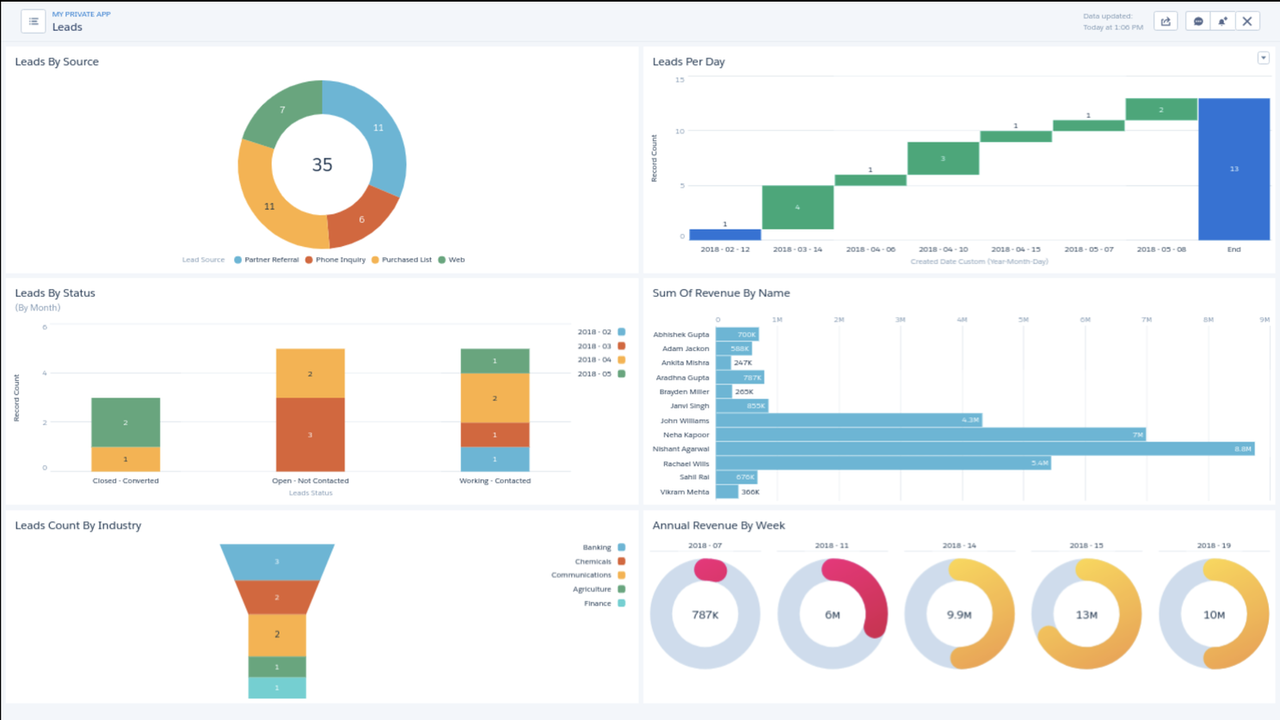
High-Velocity Sales, which is now called Sales Engagement, is Salesforce’s solution to the problems of modern inside sales. Sales teams today often work with a very large number of leads every day. Without good tools, this can become confusing and inefficient.
To deal with this challenge, High-Velocity Sales uses automation, artificial intelligence (AI), and structured workflows. These tools give sales representatives a clear process to follow. Instead of guessing what to do next, they know exactly which steps to take. This helps them spend more time on important activities such as closing deals.
High-Velocity Sales also includes several main features. Sales Cadences are step by step plans of emails, calls, or other actions that guide sales reps when contacting prospects. Work Queues create lists of tasks in order of priority, so no important lead is missed. Einstein AI adds predictive insights, showing which leads are more likely to become customers.
By combining these features, High-Velocity Sales makes the sales process easier and more effective. It reduces wasted time, improves productivity, and allows salespeople to build stronger relationships with customers.
II. What is the Performance Scoring Model?
The Performance Scoring Model is a flexible system in Salesforce that evaluates leads, accounts, or other records based on rules defined by the business. Instead of treating every lead as equal, the model assigns a score that shows how closely each one matches your ideal customer profile.
This makes prioritization much easier. Sales teams can quickly see which prospects deserve immediate attention and which ones need more nurturing before they are ready.
Dynamic Data Conditions
The scoring rules are not fixed. Companies can create their own logic based on different data points such as industry, job role, behavior, or custom fields. The model adapts to your business needs, whether simple or complex.
Fit Score Percentage
Each lead or account is given a Fit Score, usually shown as a percentage. This score indicates how well the lead matches your target profile. A high percentage means the lead is a strong fit, while a lower score means the lead may not be worth much effort.
Scalability
The model can grow with your company. A small startup may begin with a simple scoring system, while a large enterprise might use advanced multi layered criteria. In both cases, the tool is flexible enough to scale.
Model Performance Reports
Built-in dashboards provide insights into how the scoring model is working. Managers can see the fit rate of leads, track results over time, and adjust the scoring rules if necessary.
III. Best Practice Example
To see how the Performance Scoring Model works in real life, we can look at the example of Subtract Company. This company needs to use its own rules to decide which leads are sales-qualified (SQLs) and which are marketing-qualified (MQLs). Doing this manually would take a lot of time, but with Salesforce the process becomes much easier.
The Performance Scoring Model allows Salesforce to give each lead a score based on different conditions. These include demographic fit, such as industry, company size, job title, and location. It also looks at behavioral signals, for example whether the lead opened emails, visited the website, attended a webinar, or filled in a form. Another factor is firmographic data, like company revenue, number of employees, and the technologies they use. Finally, companies can also add custom business logic, such as interest in a specific product or the stage of the buying journey.
After each lead receives a score, Salesforce can automatically divide them into SQLs or MQLs. This scoring system provides several important benefits. High-fit leads can be added to sales cadences right away, so sales reps reach them with the right messages. Work queues are also prioritized, making sure that reps spend time on the leads with the highest chance of conversion. In addition, leads are routed intelligently to the most suitable sales representatives. At the same time, dashboards allow managers to monitor how well the model is working and improve it when necessary.
By adding this scoring model into their daily workflow, Subtract Company is able to reduce manual work, improve conversion rates, and grow their sales operations with greater confidence.
IV. Why Increasing Sales Matters
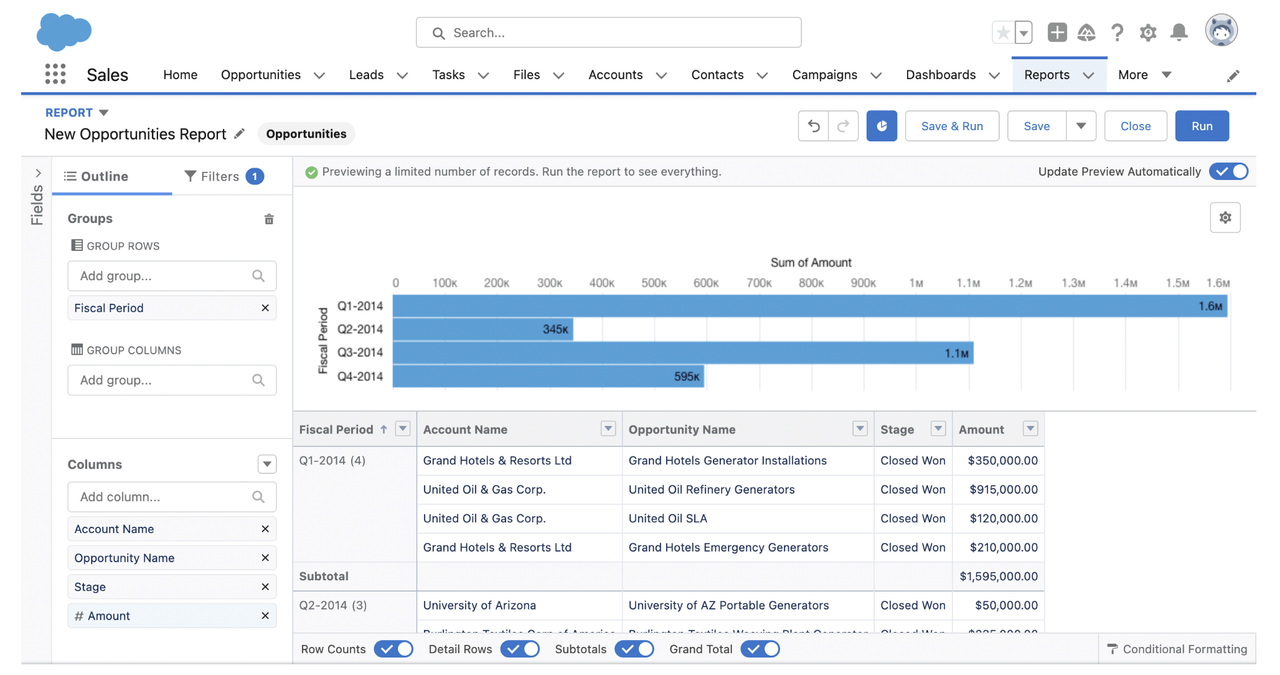
Photo Source: Salesforce
Improving sales is not just about hitting short-term targets. It is also about building a sustainable and resilient business. Each new deal strengthens your company’s market position, motivates your team, and creates opportunities for innovation.
Better sales also mean stronger customer relationships. By focusing on the right opportunities, you avoid wasting time on low value leads and instead invest in long-term partnerships that bring lasting revenue.
The Performance Scoring Model plays a key role here, helping your sales team concentrate on high-potential opportunities and reduce wasted effort.
V. Conclusion
The Performance Scoring Model, combined with Salesforce Sales Engagement, gives sales teams the ability to work smarter, not just faster. By using dynamic rules, fit percentages, and scalable scoring systems, businesses can turn raw data into actionable insights.
Instead of losing valuable time on weak prospects, your reps can focus on the right leads, close deals faster, and increase productivity. This is how precision turns into performance.
Newsletter
DISCOVER MORE










































































![[Recap] UPP Global Technology JSC Establishing Anniversary](/homepage/news-section/new-4.webp)















































LET’S TALK...
Content delivered to your inbox


ENTER YOUR EMAIL
YOU WANT TO...


Hanoi, Vietnam
Web3 Tower, No. 15, Alley 4, Duy Tan, Cau Giay, Hanoi, Vietnam