Why AI Alone Won’t Fix Patient Flow Issues
Date
February 27th, 2026
Reading Time
7 mins
Many hospitals believe that artificial intelligence (AI) is the key to solving patient flow problems. Leaders invest in dashboards, predictive models, and automation tools, hoping they will reduce overcrowding and waiting times. But here is the uncomfortable truth: AI without clean data, reliable data will not improve patient flow.
In fact, it may even make decisions worse. In healthcare systems like Australia, the US and the UK, hospitals are using AI to predict admissions and discharges. Yet emergency departments are still crowded, and beds are still blocked. The problem is not more AI. It is better data.
AI is only as good as the data it learns from
AI systems do not think independently like humans. They do not have intuition or personal understanding. Instead, these systems learn patterns from historical data. By analyzing large amounts of past information, they identify trends and relationships, and then use them to make predictions about future events. Because of this, the quality of the data is extremely important. A system can only be as accurate as the information it receives.
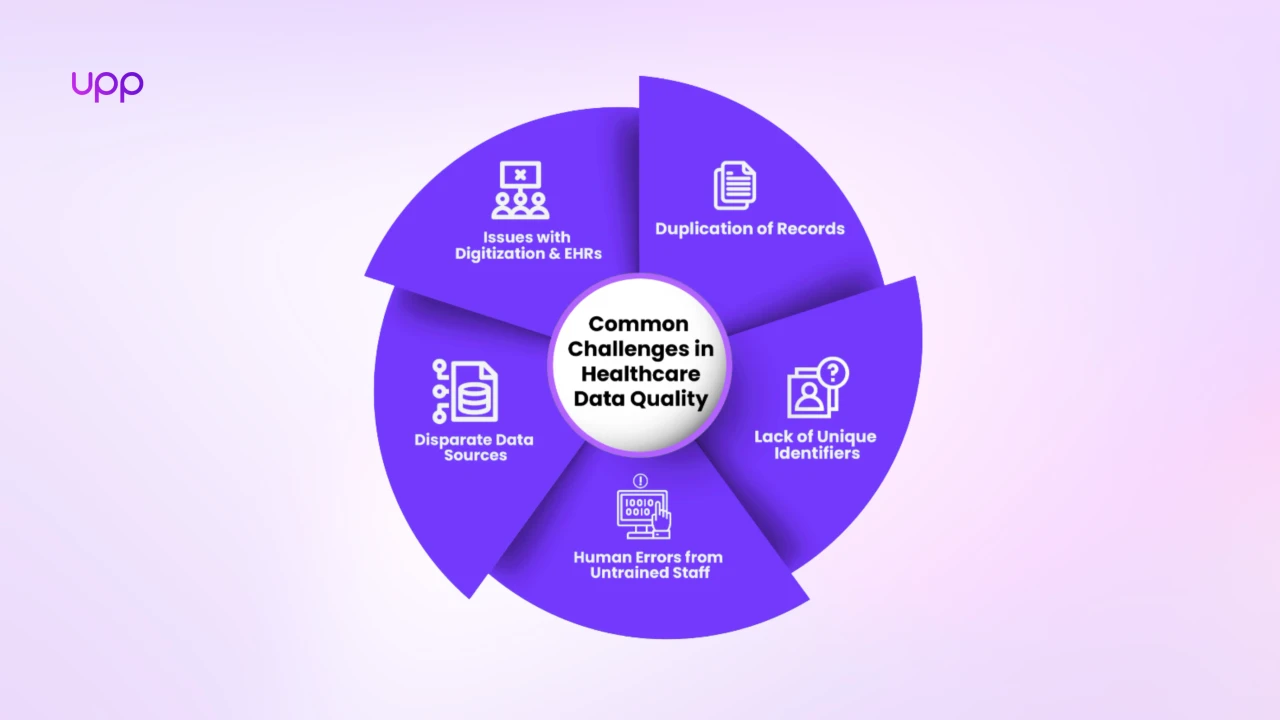
If the data is incomplete, the system sees only part of the situation and may produce incorrect predictions. If the data is incorrect, it will learn from those mistakes and repeat them in the results. When information is delayed, the model reflects past conditions instead of the current reality. If records are inconsistent across departments or platforms, prediction models can become unstable and unreliable. This idea is often explained by a simple but powerful rule: “garbage in, garbage out.” In other words, poor quality input always leads to poor quality output. It may cause hospital data inconsistency problems.
For example, in a hospital setting, if patient discharge times are recorded several hours later than the actual time, the system will assume that beds are still occupied even though they are already available. As a result, predictions about bed availability will be inaccurate, which can affect decisions about admitting new patients. In another case, if patient transfers between departments are not updated in real time, the dashboard may display incorrect occupancy numbers. A department might appear full in the system while in reality it has already freed up space.
Another example involves length of stay data. If different units record this information in different ways, such as starting the count at different times or failing to update transfers properly, the dataset becomes inconsistent. When forecasting tools use this information to predict patient flow or average stay duration, the results may fluctuate and lose reliability.
In these situations, the algorithm itself is not the problem. It simply processes the information it is given. If the data does not accurately reflect reality, the predictions will not be accurate either. Therefore, improving data quality is often more important than adjusting the model.
Patient flow depends on data accuracy
Patient flow decisions are highly time sensitive because hospital operations change constantly throughout the day. Bed managers, nurse coordinators, and operations leaders must respond quickly to new admissions, unexpected delays, and shifting priorities. To make safe and efficient decisions, they rely on clear and updated information about several critical elements:
-
Which patients are medically ready for discharge
-
Which beds are truly clean and available for the next patient
-
Which admissions are confirmed and expected to arrive
-
Which procedures have been delayed or cancelled
Each of these data points directly affects capacity planning and patient movement. Even small delays in updating this information can create significant operational problems. If the data is updated only once or twice a day, predictive models become outdated very quickly. In a fast moving clinical environment, conditions can change within hours. A forecast that was accurate in the morning may no longer reflect reality by midday.
There will be some common mistakes in healthcare AI projects. For example, imagine a dashboard that predicts five beds will be available by noon based on planned discharges. However, two of those discharges are delayed because documentation is incomplete or final approval has not been signed. The system still shows five expected beds, but in reality only three will become available. As a result, patients in the emergency department may continue waiting longer than anticipated, and admission teams may prepare for transfers that cannot happen on time.
This illustrates an important point: clean data is not only about correctness. It is also about timeliness. Information must be updated in real time to match operational reality. Without standardized and real time input across departments, predictive systems lose alignment with what is actually happening on the hospital floor. When that happens, even strong algorithms cannot support effective decision making.
Fragmented systems create fragmented intelligence
Many hospitals use multiple IT systems to manage different parts of their operations. These often include electronic medical records, bed management platforms, surgery scheduling software, and laboratory information systems. Each system is designed for a specific purpose, but they do not always communicate smoothly with one another which called surgery scheduling and bed capacity mismatch. When information does not flow easily between platforms, data becomes fragmented. Instead of having one complete and consistent view, the organization ends up with separated pieces of information stored in different places.
In countries such as Canada and Australia, integration problems between hospital systems and community care systems also affect discharge planning. For example, if hospital teams cannot clearly see the availability of community services or post acute care placements, patients who are medically ready may still experience delays in discharge. As a result, hospital capacity is reduced, even though the clinical treatment phase has been completed.
When predictive models are built on partial datasets, they cannot see the full patient journey. They may only capture what happens inside one department or within one system, without understanding what happens before admission or after discharge. Without a complete picture, forecasts and recommendations are limited. It is impossible to optimize a process that is not fully visible.
True improvement in patient flow requires more than just advanced technology. Hospitals need standardized definitions so that everyone understands key terms in the same way. For instance, “ready for discharge” must have a clear and consistent meaning across all departments. Organizations also need unified data structures to ensure information is recorded in a consistent format. There must be clear ownership of data entry so that staff know who is responsible for updating specific information. Finally, cross-system integration is essential so that all platforms can share accurate and timely data.
Only when these foundations are in place can predictive systems generate meaningful and reliable insights that truly support operational improvement.
AI + Clean Data = Proactive Patient Flow
When clean data and advanced analytics work together, the impact on hospital operations can be significant. Reliable and real-time information allows predictive systems to reflect the true operational situation instead of an outdated version of it. With strong data foundations, these tools can support better planning, faster decision-making, and more efficient use of resources.
With accurate input, predictive models can:
-
Predict discharge bottlenecks 24-48 hours in advance, giving teams time to intervene early and prevent delays
-
Identify patients who are at risk of a long length of stay, allowing earlier coordination of discharge planning
-
Optimize surgery scheduling based on actual bed capacity rather than estimated or outdated numbers
-
Improve staff allocation during peak hours by aligning workforce planning with expected demand
However, successful implementation depends on building the right foundation first. In healthcare systems such as Singapore and Germany, digital transformation projects have shown that strong data governance is essential before scaling advanced analytics. These systems focused on improving data quality, defining clear standards, and assigning responsibility for data management before introducing complex predictive tools.
The sequence of implementation is critical:
-
First: standardize definitions and clean the data to ensure consistency and accuracy
-
Second: integrate systems so that information flows smoothly across departments
-
Third: apply AI models and advanced analytics on top of this stable foundation
-
Fourth: continuously monitor performance and refine both the data and the models
Skipping the first step often leads to expensive technology investments that fail to deliver meaningful value.
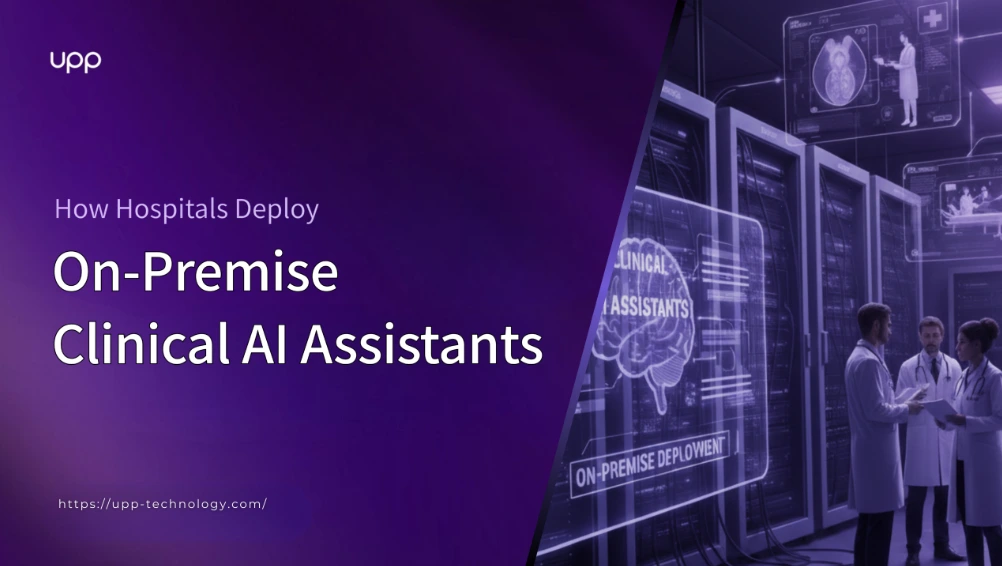
Read more: How Hospitals Deploy On-Premise Clinical AI Assistants
Why Many AI Projects Fail in Patient Flow
Many organizations make similar mistakes when introducing advanced analytics into hospital operations. One common error is investing in AI technology before improving documentation processes. If clinical and operational data are not recorded accurately and consistently, predictive tools will only reflect those weaknesses. Another frequent problem is ignoring data ownership and governance. When it is unclear who is responsible for entering, updating, and validating information, data quality quickly declines.
Hospitals also often underestimate the complexity of integrating different IT systems. Bringing together electronic medical records, scheduling platforms, and other operational tools requires time, coordination, and technical planning. Without proper integration, information remains fragmented. In addition, some organizations fail to audit data quality on a regular basis. Over time, small inconsistencies and errors accumulate, reducing the reliability of analytics without being immediately visible.
When leaders expect AI to fix operational chaos, they misunderstand its role. Predictive models and advanced systems are not designed to repair broken processes automatically. Instead, they reflect and strengthen what already exists. AI amplifies the quality of your system. If your workflows are disorganized and your data is inconsistent, technology will amplify that disorder and make problems more visible. On the other hand, if your data is clean, structured, and well governed, AI will amplify efficiency and help the organization perform at a higher level.
Process optimization must come before automation
Another overlooked issue is process design. AI can automate decisions, generate predictions, and highlight trends, but it cannot redesign a broken workflow on its own. Technology operates within the structure it is given. If that structure is inefficient, unclear, or inconsistent, AI will not correct it; it will simply operate inside those limitations and often make the weaknesses more visible.
Consider discharge planning. If the process requires multiple approvals, fragmented documentation, or unclear ownership between physicians, nurses, and administrative teams, delays will occur regardless of how advanced the predictive model is. AI may identify that a patient is clinically ready for discharge, but it cannot eliminate bureaucratic bottlenecks or unclear accountability chains. Similarly, if surgery scheduling does not reflect real-time bed capacity or if updates are entered hours after actual changes occur, predictive tools cannot create alignment between operating theatres and inpatient wards. They can only calculate based on the information available. When communication between departments lacks clarity, automation does not solve the confusion; it accelerates it by scaling flawed coordination patterns across the system.
Technology always amplifies the system it is built upon. It strengthens what already exists. If processes are structured, transparent, and standardized, AI enhances efficiency and responsiveness. If processes are fragmented, inconsistent, or poorly governed, AI magnifies those weaknesses and can unintentionally increase operational instability.
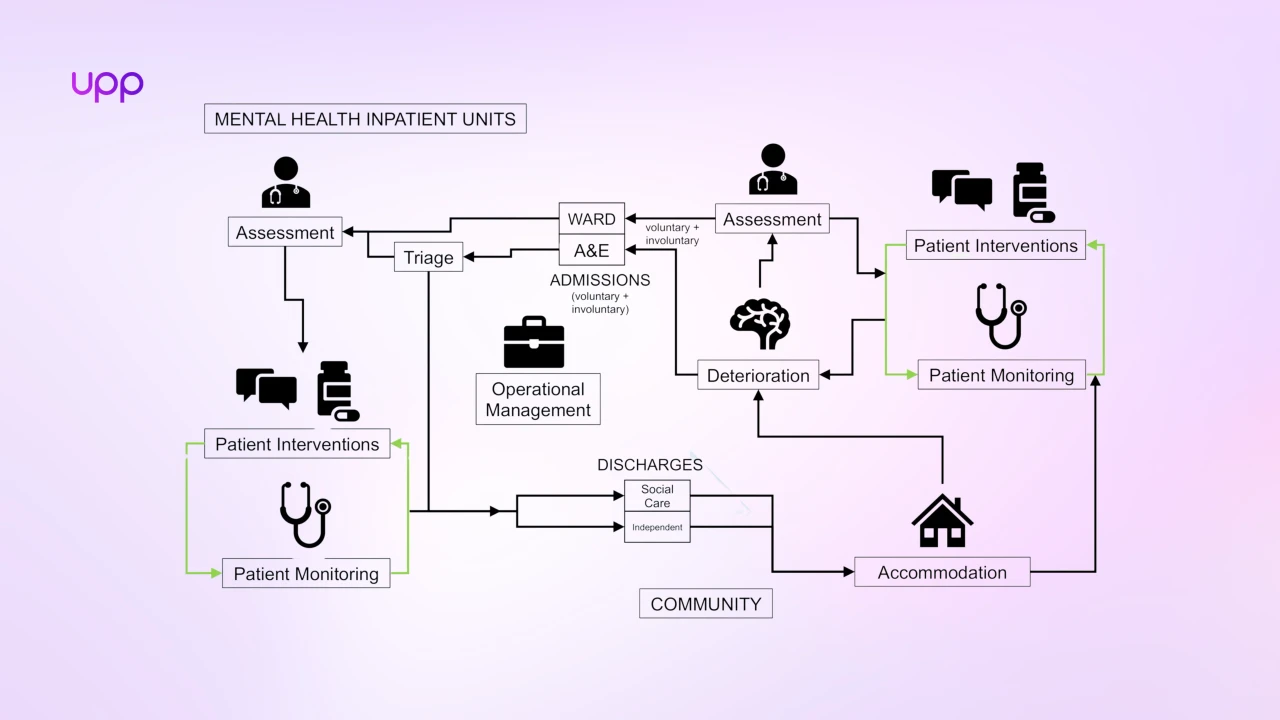
Before deploying predictive tools, hospitals must critically examine their operational foundations. Workflows should be clearly mapped from admission to discharge, with explicit handoffs between departments. Responsibilities need to be precisely defined so that every data point and every decision has a clear owner. Escalation paths must be structured, ensuring that delays or discrepancies are resolved quickly rather than lingering in uncertainty. Departments should also operate under aligned priorities, sharing a unified understanding of patient flow objectives rather than optimizing their own metrics in isolation.
Solution: AI & Big Data, working as one
For many hospitals, the real challenge is not whether AI is powerful. The real challenge is knowing which AI solution fits their data environment, operational structure, and patient flow goals. There are many vendors offering predictive tools, dashboards, and automation systems. Each product promises better efficiency and smarter decisions. However, most hospitals do not have a clear picture of their own data maturity. Their systems are often fragmented, definitions are inconsistent, and data ownership is unclear.
When hospitals invest in AI without fully understanding these gaps, the results can be disappointing. Predictive models may not reflect real-time conditions. Dashboards may look advanced but fail to support daily operational decisions. Integration between systems can take longer than expected and cost more than planned. Over time, clinical teams may lose trust in analytics because the outputs do not match what they see on the hospital floor.
Another major difficulty is evaluation. Hospital leaders must decide which AI model works with which datasets, how much data cleani2ng is required, and whether their infrastructure can support advanced analytics. Without deep expertise in data engineering and system architecture, these decisions become risky. AI projects then turn into expensive experiments instead of reliable operational improvements.
This is why hospitals need healthcare data governance consulting with experienced consultants who understand both advanced analytics and complex enterprise systems. A strong consulting partner helps assess current data quality, identify governance gaps, design integration strategies, and select AI solutions that truly align with operational needs. Instead of focusing only on technology, the right partner focuses on building a stable data foundation first.
UPP Global Technology JSC supports hospitals in this exact transformation journey. With expertise in Big Data Analytics, Productized AI, and enterprise system integration, UPP helps organizations clean and unify fragmented data, standardize definitions across departments, and build scalable architectures before deploying predictive models. Their approach reduces risk, improves transparency, and ensures that AI tools are aligned with real clinical workflows rather than theoretical assumptions.
For hospitals that want measurable improvements in patient flow, partnering with an experienced technology consultancy like UPP is not an additional cost. It is a strategic safeguard against failed AI investments. When the foundation is strong and the implementation is guided by experts, AI becomes a reliable engine for operational efficiency instead of a costly uncertainty.
Visit our website for more information
Conclusion
AI is the engine, but data is the fuel. It is easy to feel excited about AI because it seems modern, powerful, and innovative. However, improving patient flow does not begin with advanced algorithms. It begins with discipline in data management. Technology on its own cannot solve operational problems. AI alone will not fix patient flow issues if the underlying information is incomplete, outdated, or inconsistent. What truly makes a difference is clean, structured, and real time data combined with well designed analytical tools. Hospitals that understand this shift their focus. Instead of asking, “Which AI tool should we buy?”, they begin to ask, “Is our data clean and reliable enough to support intelligent decisions?” That change in mindset is critical, because it addresses the foundation of the problem rather than only the technology built on top of it.
Subscribe to our AI newsletter for the latest insights and updates.
Newsletter
DISCOVER MORE



























































![[Recap] UPP Global Technology JSC Establishing Anniversary](/homepage/news-section/new-4.webp)





































LET’S TALK...
Content delivered to your inbox


ENTER YOUR EMAIL
YOU WANT TO...


Hanoi, Vietnam
Web3 Tower, No. 15, Alley 4, Duy Tan, Cau Giay, Hanoi, Vietnam